In the annals of luxury textiles, silk holds a singular place. Its allure is not merely tactile—the sheen, drape, and whisper of a silk fabric carry centuries of history, commerce, and cultural exchange. The Silk Road, that venerable tapestry of routes linking East to West, did more than ferry commodities; it transmitted ideas, art, religion, and political influence. Silk diplomacy—where reciprocal gifts of silken textiles accompanied treaties and marriages—shaped statecraft and soft power long before the term existed. Today, silk sits at the crossroads of fashion, science, and sustainability, reminding us that textiles are as much about ethics and governance as they are about luxury and beauty.
From Silk Worms to Silk Roads: The Birth of a Global Commodity
The story begins in sericulture—the ancient art and science of cultivating silkworms and weaving their precious threads into fabric. Legend and archaeology converge on a Chinese origin for sericulture, with early silks reportedly used in religious rites and imperial adornment. By the time caravans stretched along the Silk Road, silk had become a coveted luxury, crossing deserts and mountains to reach bustling markets in the Mediterranean, Africa, and Europe. This exchange was not merely about fabric; it was about trust, exchange rates, and networks. Silk was a form of currency in some contexts, its value tethered to the labor and knowledge embedded in every silken thread.
Historically, China maintained a delicate balance of secrecy around silk production, guarding techniques and silkworm genetics as an economic advantage. Yet the lure of silk prompted early zones of cultural influence—calibrated by dynastic diplomacy, courtly exchanges, and even anti-fragrance trade policies designed to protect silk’s treasured textures. Over time, other regions learned the craft: India, Persia, the Byzantine Empire, and eventually Italy’s famed lamé and brocade traditions. Silk’s geography expanded as techniques traveled and adapted, giving rise to distinct regional identities: the iridescent sheen of Chinese satin, the robust damasks of Persian looms, and the exquisite taffetas of Italian ateliers.
Key Production Hubs: Geography as a Silk Compass
Sabering into the present, silk production remains a geographically nuanced ecosystem. The cradle of sericulture in modern terms rests on mulberry silkworms, whose feed and environment influence fiber quality. China’s Jiangsu and Zhejiang provinces historically anchored global silk production, then diversified to other Asian regions for risk mitigation and supply chain resilience. India’s Maharashtra and West Bengal, Italy’s Lombardy and Tuscany, and Japan’s historical silk centers contributed to a complex mosaic of techniques, from reeled silk to crepe de chine and satin weaves. Each region’s fabrics carry a fingerprint—texture, luster, and weight—that marks the cultural and material history of its place of origin.
In contemporary practice, silk producers face a confluence of challenges and opportunities: ecological stewardship, humane farming practices in sericulture, and traceability across layers of supply. Modern dyeing, finishing, and textile engineering have elevated silk to not just a luxury fabric but a science-driven product. The modern market for silk emphasizes sustainable sourcing, high standards of animal welfare, and transparent supply chains that allow brands and consumers to understand where raw silk originated, how it was processed, and who touched it along the journey from cocoon to couture.
Modern Silk: Sustainability, Ethics, and Traceability
Sustainability in silk production hinges on responsible sericulture, innovations in eco-friendly dyes, and the reduction of waste in processing. Ethical practices are increasingly central to consumer decisions, with brands adopting traceability schemes that map every step—from cocoon to filament to finished fabric. Certifications and standards, whether OEKO-TEX or other global benchmarks, help ensure that silk remains a premium, non-toxic textile suitable for sensitive skin and high-end fashion alike. The challenge—and the opportunity—lie in balancing the luxury narrative with measurable environmental and social impact. Thoughtful producers are not only selling beauty; they’re selling accountability, which resonates in a market where provenance matters as much as price.
A Vogue View of Silk: Style, Story, and Sensibility
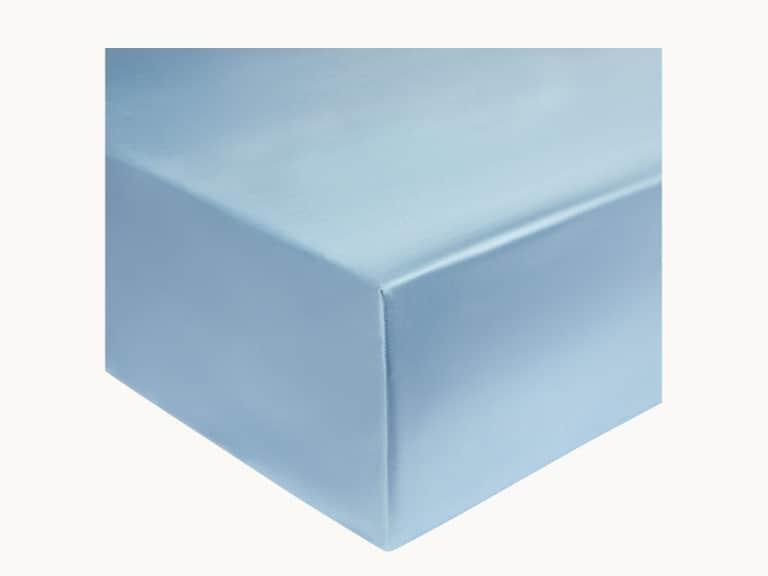
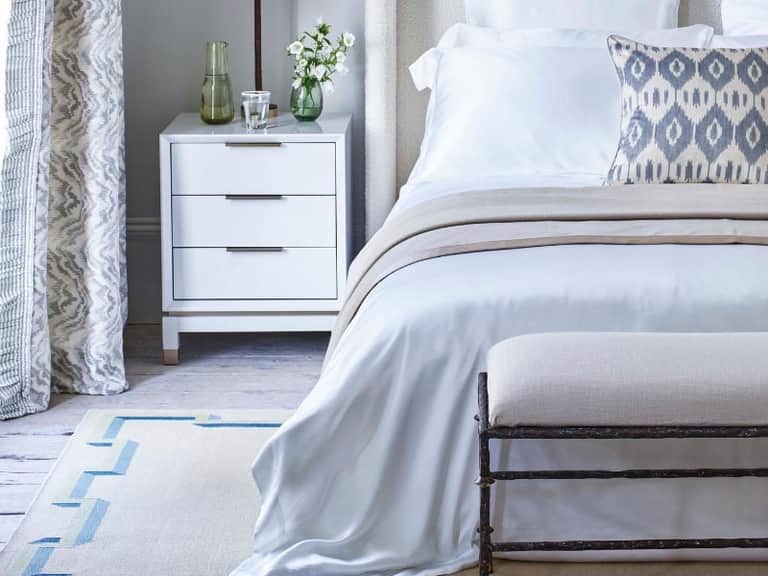
The fashion and home textiles worlds have long celebrated silk’s sensorial power. In the 21st century, silk’s appeal transcends runway drama to embrace the quiet luxury of everyday objects—silk sheets that cradle a night’s rest, silk pillowcases that smooth hair and skin, and silk travel accessories that soothe the traveler’s body in transit. This editorial mood—elegant, precise, and a touch indulgent—frames silk as a disciplined craft that marries tradition with modern ethics. It is a material that invites storytelling: think silk’s role in diplomatic exchanges, its influence on contemporary silhouettes, and its adaptation within sustainable fashion narratives. When a consumer selects a Summerhill Blue Silk Fitted Sheet, for example, they’re choosing not only a color but an experience—cool, breathable, and impeccably refined—charged with the lore of silk’s journey across oceans and centuries.
Three Key Personalities Across Time: The Threads That Tie Silk History
1) Empress Wu Zetian (624–705): A sovereign who presided over a vast Silk Road network that linked imperial China with distant courts and merchants. Wu Zetian’s era showcased how silk, as a soft power instrument, influenced diplomacy and cultural exchange, weaving alliances through textiles as much as through rhetoric. Her reign exemplifies how luxury goods can serve macro-political aims—nurturing trust, signaling status, and shaping cross-cultural dialogue.
2) Marco Polo (1254–1324): The famed Venetian explorer’s descriptions of silk and its markets helped seed Western curiosity about the East. Polo’s narratives translated silk into a global appetite—stimulating demand and imagination. His chronicles demonstrate how textiles function as ambassadors, carrying tales of the East across Europe and shaping trade routes that would endure for centuries.
3) Iris Van Herpen (b. 1984): A contemporary designer who embodies the avant-garde fusion of traditional craft and modern technology. While not a silk producer per se, Van Herpen’s use of textiles—often in collaboration with artisans—illustrates silk’s continued relevance in high fashion and experimental materials. Her work underscores silk’s adaptability to new technologies, including advanced weaving, micro-structures, and sustainable production practices, keeping silk at the cutting edge of design discourse.
A Modern Silk Narrative: The Gingerlily Brand and the Summerhill Blue Silk Fitted Sheet
Among luxury textiles, Gingerlily’s Summerhill Blue Silk Fitted Sheet stands as a luminous example of how contemporary brands interpret silk’s timeless promise. Weighing 22 momme, this fitted sheet embodies the synergy of science and style: a 100% mulberry silk composition that offers temperature regulation, skin-friendly properties, and a sublime drape that makes a bed feel like a couture surface. The blue tone—Summerhill Blue—evokes a tranquil oceanic mood, inviting restful slumber while presenting a refined visual anchor in any bedroom palette. The product’s care instructions, though precise, reflect a respectful approach to silk stewardship: delicate washing, air drying, and minimal heat to preserve sheen and integrity over many nights of use.
In the broader Silk World, such a piece is more than a sheet; it is a narrative artifact. It communicates a philosophy about luxury that is careful, informed, and future-facing. It signals a brand’s commitment to ethical sourcing, high-fidelity fabrics, and a design language that respects both tradition and innovation. As silk continues to reassert itself in fashion and home, pieces like the Summerhill Blue Silk Fitted Sheet remind us that luxury is about sensation and responsibility in equal measure.
Glossary of Silk: Terms That Matter in the Modern Marketplace
- Mulberry silk: The finest silk, produced by the Bombyx mori silkworm; known for its strength and luster.
- Momme (mm): A weight unit for silk; higher momme indicates a heavier, more durable fabric with richer hand.
- Pillowcase envelope closure: A practical closure style that keeps the pillow in place and maintains a clean surface.
- OEKO-TEX Standard 100: A certification ensuring textiles are tested for harmful substances.
- Sericulture: The cultivation of silkworms for the production of silk.
- Crepe de Chine, Charmeuse, Satin: Common silk weaves, each with distinct luster and hand.
- Traceability: The ability to track a product’s journey from raw material to finished good, ensuring ethical and sustainable practices.
Sustainability and the Silk Supply Chain: A Practical Guide
Consumers seeking silk that aligns with ethical and environmental values should look for transparency across the supply chain, third-party certifications, and clear information about farming, dyeing, and processing methods. Brands that invest in regenerative practices—minimizing water usage, reducing chemical inputs, and supporting fair labor—offer silk that feels as virtuous as it looks. Sustainability in silk is not only about end products; it is about the systems that produce them. The modern silk narrative is strongest when it tells a complete story: where the cocoon began, how it traveled, who touched it along the way, how dyes were chosen with minimal ecological impact, and how final finishing technologies preserve the fabric’s integrity without compromise.
Conclusion: Silk as a Living History and a Living Craft
Silk continues to weave together the past and the future. It is a material that embodies luxury and responsibility, heritage and innovation. As global trade evolves amidst geopolitical shifts, climate concerns, and evolving consumer expectations, silk remains a touchstone for global collaboration and cultural exchange. From the Silk Road’s ancient caravans to the high-tech ateliers shaping tomorrow’s textiles, silk endures as a symbol of elegance, durability, and humane craftsmanship. The modern market’s success hinges on protecting this legacy while embracing sustainable practices that honor both the worm and the world it sustains.
Selected Product Spotlight
Featured Silk Sheet
Summerhill Blue Silk Fitted Sheet
Pure mulberry silk fitted sheet in Summerhill Blue, 22 momme, crafted from 100% silk. This piece embodies the luminous, breathable luxury silk offers, with a temperature-regulating profile perfect for year-round comfort.
Price: $695.00
Care: Machine wash on a delicate cycle at no more than 30°C; air dry; cool iron to restore suppleness and sheen.
Further Reading and Resources
- Historical perspectives on Silk Road diplomacy and cultural exchange
- Contemporary sustainability standards in luxury textiles
- Key players in modern silk supply chains and governance frameworks
Authored with a couture lens: texture, history, and responsible luxury.